
The Fall Planter
An abundant mix of foliage, texture and seasonal color for a welcoming autumn entrance.
I love changing the planters at a home's entrance with the seasons. In fall, especially, they can bring warmth and color to the exterior before you’ve done anything else.
The most interesting arrangements aren't simply filled with flowers. I prefer a mix of foliage, grasses, branches, and seasonal elements that creates texture and feels a little less expected.
Build With Foliage
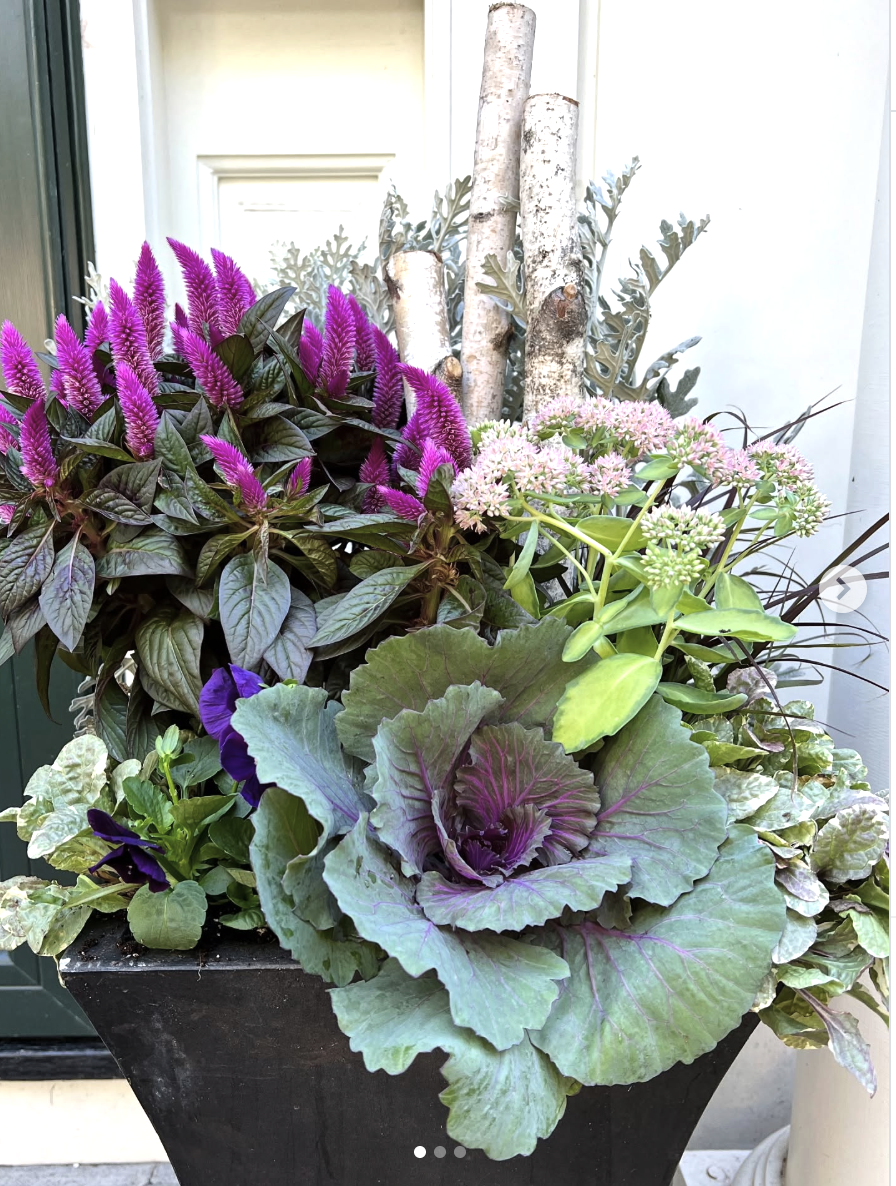
Ornamental cabbage and kale are wonderful for fall because of their sculptural leaves and muted shades of green, purple and cream.
Mixed with trailing foliage, they give a planter fullness without relying entirely on flowers.
Add Height
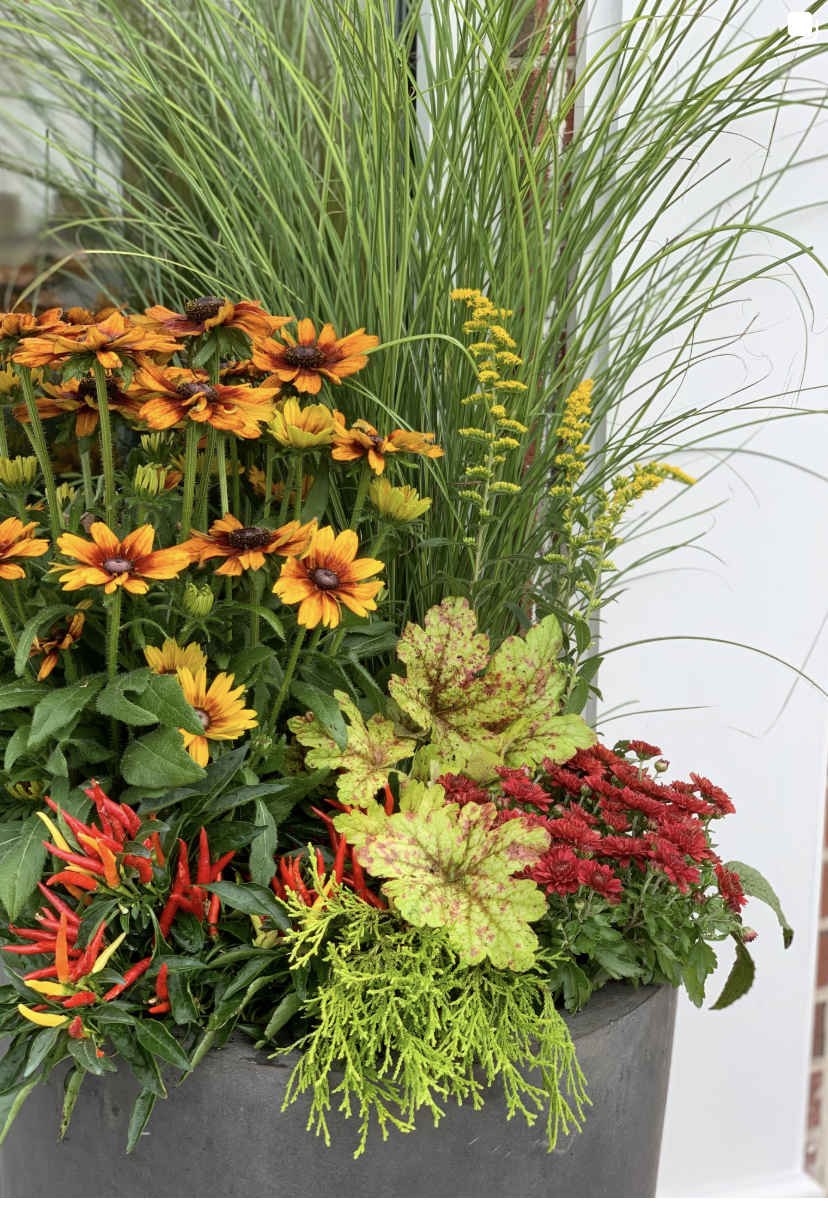
Branches and ornamental grasses bring height and movement to an arrangement.
I like the contrast between something loose and natural at the top and the fuller planting beneath it. It keeps a large planter from feeling too compact or formal.
Use Flowers Sparingly
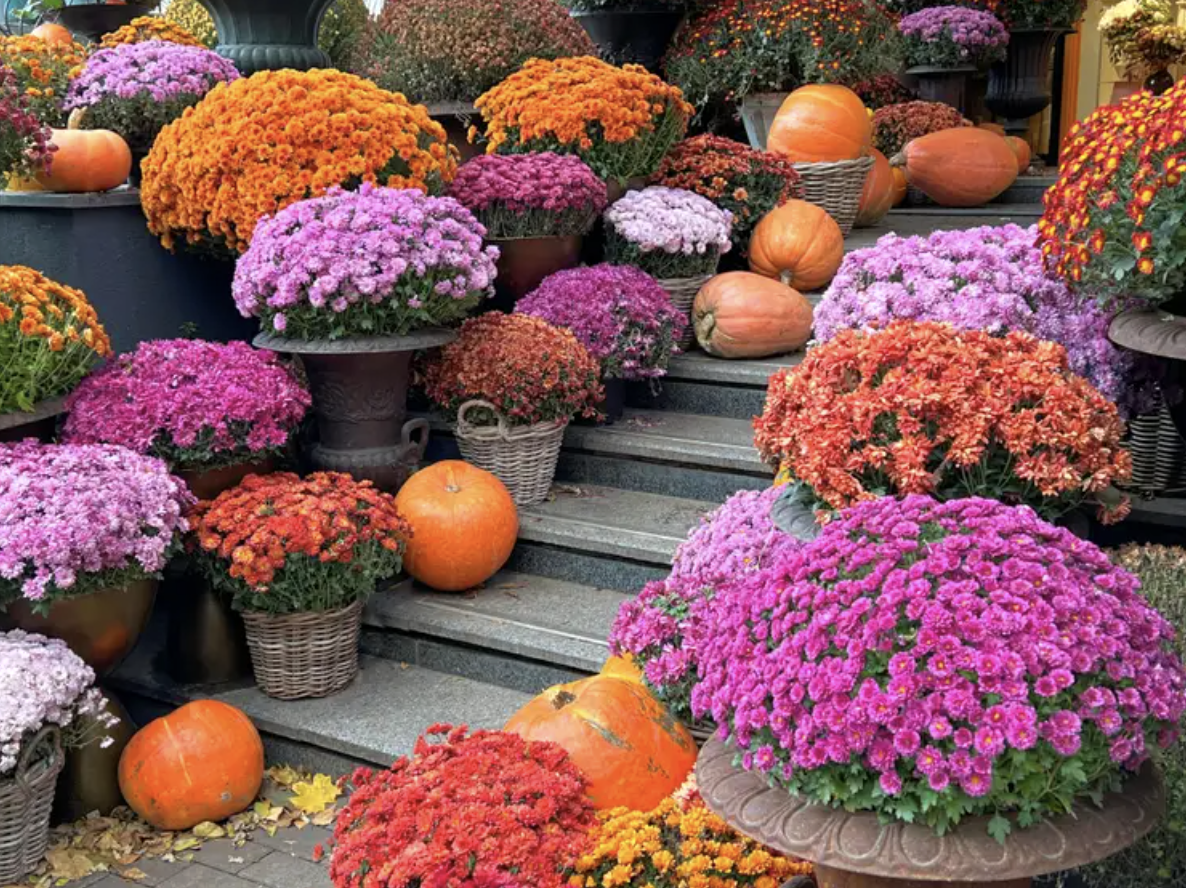
Mums are a fall classic, but I prefer them as part of the arrangement rather than the entire arrangement.
Deep burgundy, rust, cream or muted yellow can add seasonal color without making the planter feel overly themed.
Finish With Something Seasonal
Small pumpkins and gourds tucked around the base are an easy finishing touch.
The key is restraint. A few mixed into the planting feel much more sophisticated than turning the entire arrangement into a pumpkin display.
MBellished Tips
Think in layers. Height, fullness and something trailing create a more balanced planter.
Mix texture before color. Grasses, leafy greens and branches add dimension.
Choose a restrained palette. Two or three tones are usually enough.
Don't make it too perfect. A little looseness makes an outdoor arrangement feel more natural.
Consider the planter itself. A beautiful container is part of the composition, not simply something to hold the plants.